How to Structure Your Day for the Best Photos
1. Your Timeline Should Start With Light (Not the Clock)
Before anything else, I always build the timeline around light.
Why? Because light controls everything in your photos.
We look at:
Sunset time (this is key for portraits)
Indoor vs outdoor ceremony lighting
Travel time between locations
Once light is set, the rest of the timeline becomes much easier to build.
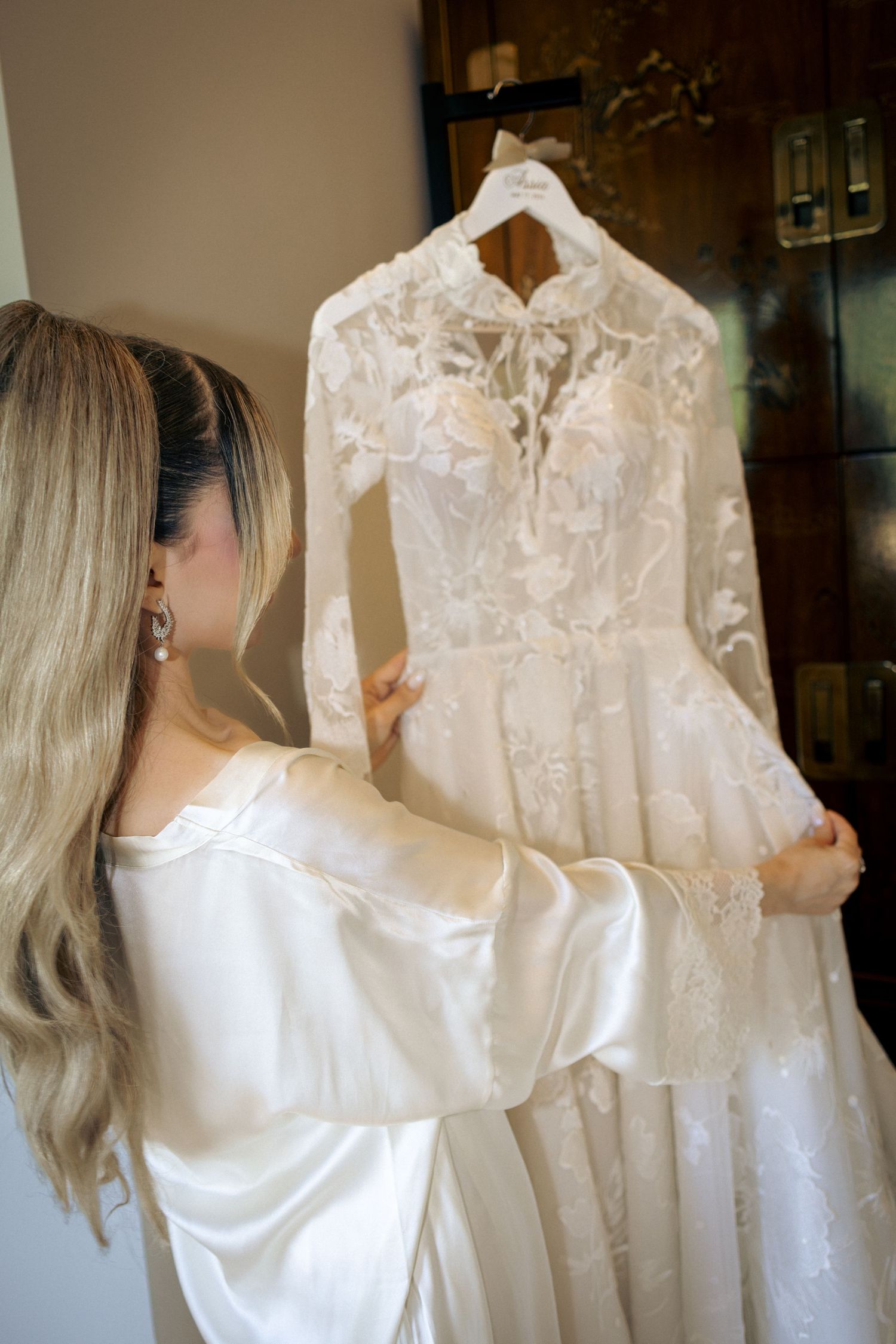
2. Getting Ready Coverage
This is usually where the day begins.
I recommend:
1-1.5 hours of getting ready coverage
A space with natural window light if possible
A clean area for details (dress, rings, invitations, etc.)
This part of the day sets the tone for everything that follows.
3. First Look vs No First Look
This is one of the biggest decisions in your timeline.
First Look
You see each other before the ceremony
Portraits happen earlier in the day
More time later for your reception
A more relaxed overall flow
No First Look
Aisle moment
Portraits happen after the ceremony
Requires tighter timing
Neither option is right or wrong, it just changes how your day is structured.
4. Ceremony Timing
Ceremony timing is where timelines often get tight.
A few things I always factor in:
-Guest arrival buffer time
-Ceremony length
-Lighting (especially for outdoor ceremonies)
Even adding a small buffer before ceremony starts can completely change the energy of your day.
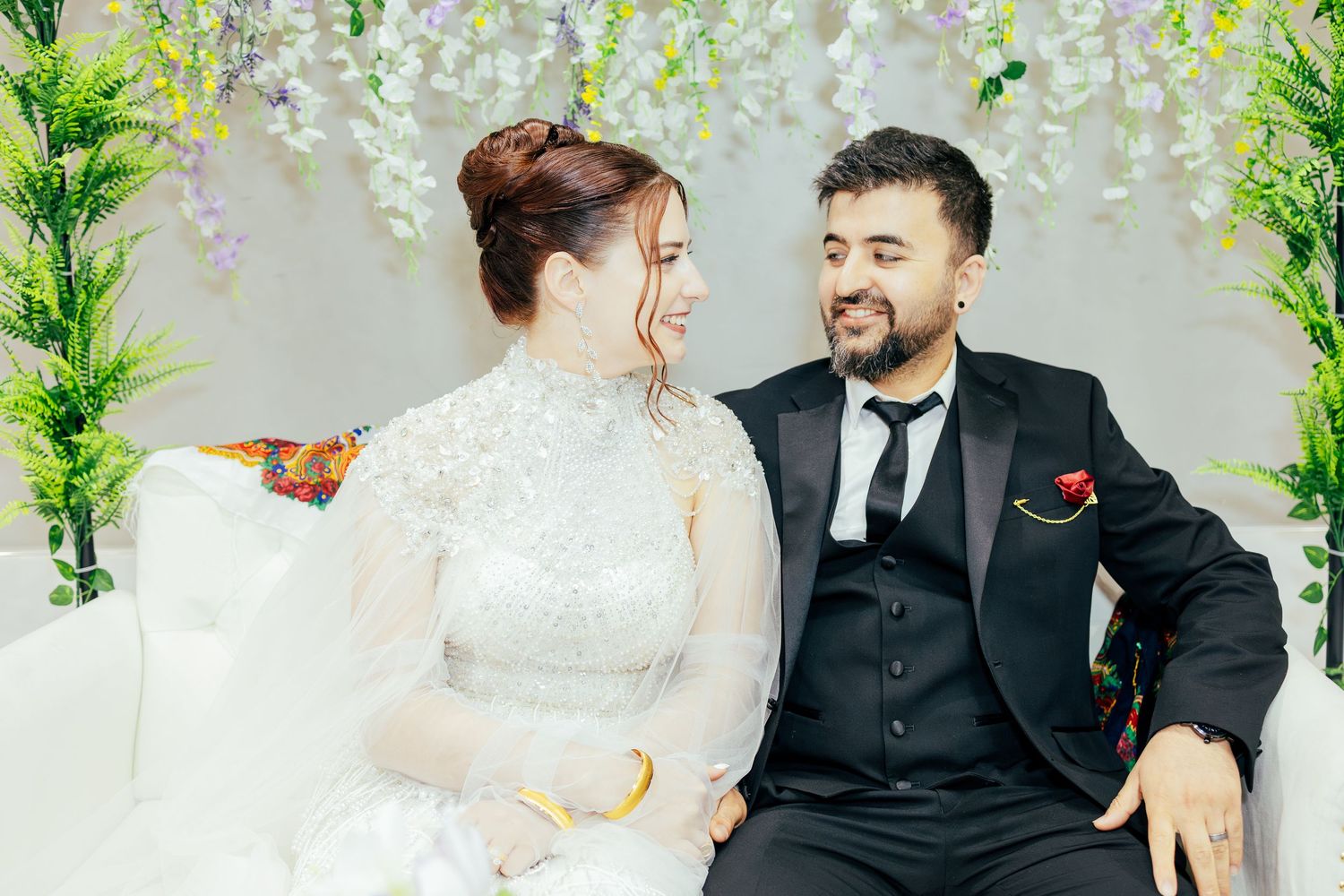
5.Portrait Time (Where We Slow Down)
Portraits are where your wedding photos really come to life.
I usually plan:
Couple portraits: 20–30 minutes
Wedding party: 15–25 minutes
Family photos: 15–25 minutes
This is not something to rush. It’s often the only time in the day where you actually get a moment alone together.
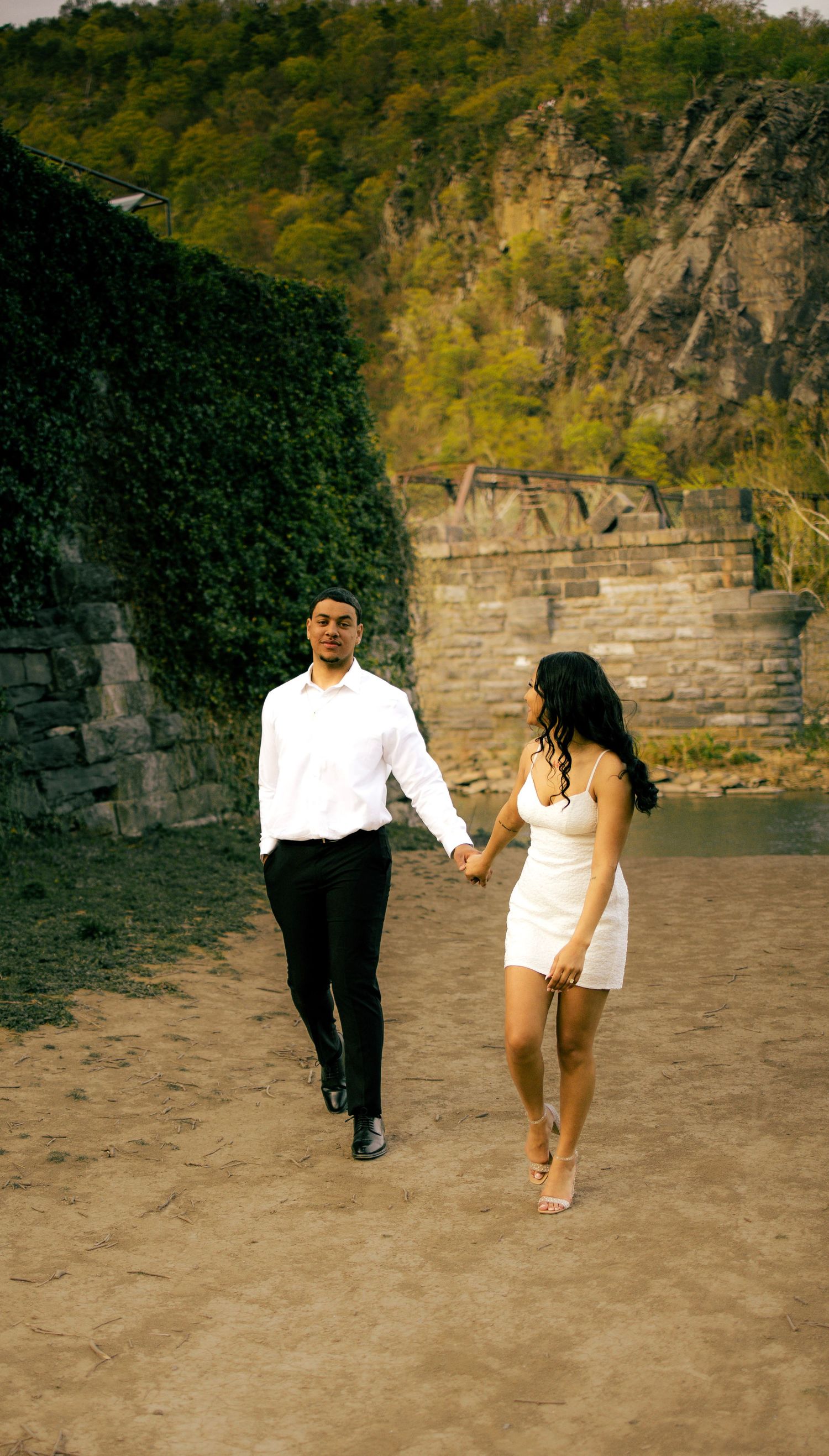
6. Golden Hour Portraits
If there’s one part of the timeline I always protect, it’s this.
Golden hour is the hour before sunset, and it gives:
Soft, flattering light
Natural skin tones
The most emotional, cinematic images of the day
Even 10–15 minutes during this time makes a huge difference in your gallery.
7. Reception Flow
Once you’re into the reception, the timeline becomes more flexible.
Typical moments include:
Grand entrance
First dance
Toasts
Dinner
Dancing and candid moments
At this point, the focus shifts from structure to experience.
8. Buffer Time Matters More Than You Think
If there’s one thing most couples underestimate, it’s buffer time.
Adding even 15–30 minutes of buffer throughout the day creates a much calmer experience.
9. How I Help With Your Timeline
You don’t have to figure this out alone.
I help every couple build a timeline based on:
Your venue and layout
Sunset and lighting
Whether you’re doing a first look
Your priorities for photos
Planner coordination (if you have one)
Final Thought
Your wedding timeline isn’t just about organization it shapes the vibe of how your entire day feels.
When it’s done well, you’re not thinking about time.
If you want to understand how this fits into the full experience from booking to gallery delivery, you can read more here: